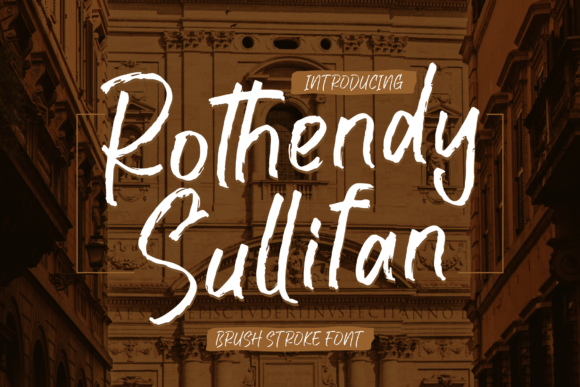
Rothendy Sullifan Font: A Stylish Choice for Small Business Branding
Rothendy Sullifan is a brush stroke font that brings a handcrafted, artistic flair to any brand or product. As a small business owner, choosing the right font can make a big difference in how your brand is perceived. Rothendy Sullifan offers a unique blend of elegance and modernity, making it ideal for entrepreneurs who want to stand out in competitive markets. Whether you're designing a logo, packaging, or social media content, this font adds a personal touch that feels both professional and approachable.
What makes Rothendy Sullifan special is its expressive brush strokes and flowing lines. It carries a warm, creative energy that works well for brands in lifestyle, wellness, beauty, food, and artisanal product niches. The font’s dynamic texture gives it a hand-painted look, which can help your business feel more authentic and human. Unlike generic fonts, Rothendy Sullifan has character—literally and figuratively—that can elevate your brand’s visual identity.
How Rothendy Sullifan Enhances Real-World Business Materials
When it comes to branding, consistency matters. Rothendy Sullifan works well across a variety of customer-facing materials, helping your business maintain a cohesive look. Here are some practical applications where this font shines:
- Logos: Use Rothendy Sullifan as the main typeface in your logo to create a memorable and stylish brand mark.
- Packaging: From candle labels to coffee bags, this font adds a boutique feel that appeals to customers looking for quality and craftsmanship.
- Social media graphics: Stand out on Instagram, Pinterest, or Facebook with eye-catching posts that use Rothendy Sullifan for headlines or quotes.
- Product tags and labels: Whether you sell handmade soap or organic tea, this font adds a touch of elegance to your product details.
- Website banners and headers: Pair Rothendy Sullifan with a clean sans serif font for a modern, balanced web design.
Why Font Choice Matters for Brand Recognition
Fonts are more than just letters on a page—they’re part of your brand identity. The right typeface helps your business feel more trustworthy, polished, and aligned with your audience’s expectations. Rothendy Sullifan, as a script font, communicates creativity and care, which is especially valuable for small businesses trying to build emotional connections with customers.
Using a consistent font like Rothendy Sullifan across your brand touchpoints—whether it's your website, packaging, or thank-you note—creates a unified experience. This consistency helps customers recognize your brand faster and remember it longer. When every detail feels intentional, your business appears more professional and reliable.
Realistic Use Cases for Rothendy Sullifan
Let’s say you own a small bakery. Rothendy Sullifan could be used for your shop’s logo, menu headings, and social media quotes. Its warm, inviting style matches the cozy, homemade vibe of your brand. Similarly, if you run a candle-making business, this font could give your product labels a refined, artisanal look that appeals to gift buyers and boutique shoppers.
For service-based businesses like life coaches or consultants, Rothendy Sullifan can be used subtly in marketing materials to add a personal, approachable tone. Whether it’s featured in a quote graphic on your website or on a printed flyer for a workshop, the font helps communicate your brand values without being over the top.
When to Use Rothendy Sullifan in Your Design
Rothendy Sullifan is best used as a display font or accent typeface. It works beautifully in headlines, logos, and short text blocks where visual impact is key. However, it’s not ideal for long paragraphs or body copy due to its decorative nature. Instead, pair it with a clean, readable font like a sans serif or a classic serif to balance style and functionality.
For example, use Rothendy Sullifan for your logo and section headers, and a simple font like Montserrat or Lato for supporting text. This approach ensures your branding looks stylish without sacrificing readability.
Readability Across Different Formats
One thing to consider when using a decorative font like Rothendy Sullifan is readability. It performs well in digital formats like website banners and social media thumbnails when used at a large enough size. On printed materials such as stickers, packaging, or business cards, its brush stroke style adds texture without becoming illegible—provided it’s not too small.
For small labels or mobile screens, it’s wise to test the font at different sizes. You may find that using it sparingly for headlines or logos works best. Always preview your designs on multiple devices and in print to ensure clarity and visual appeal.
Test Before You Commit
Before applying Rothendy Sullifan across your entire brand, take time to test it in different contexts. Try it out on mockups of your packaging, sample social media posts, and print designs. This helps you see how the font performs in real-world applications and whether it aligns with your brand’s personality and goals.
Many font marketplaces offer preview tools or sample text generators. Use these to see how the font looks in different scenarios. If possible, get feedback from colleagues, customers, or design-savvy friends to ensure you’re making a smart, visually effective choice.
Simple Font Pairing Ideas
Pairing Rothendy Sullifan with the right secondary font is key to creating a balanced design. Here are a few pairing ideas that work well for small businesses:
- Rothendy Sullifan + Montserrat: A modern sans serif that provides contrast and clarity.
- Rothendy Sullifan + Playfair Display: A classic serif font that adds sophistication when used for subheadings.
- Rothendy Sullifan + Open Sans: A clean, versatile font perfect for body text and digital content.
These combinations help maintain visual interest while ensuring your designs remain readable and professional.
Check Licensing Before Use
Before using Rothendy Sullifan in your business materials, always verify the font’s licensing terms. Most premium fonts come with a commercial license that allows use in branding, packaging, and digital content. However, if you’re using the font for templates, merchandise, or client work, you may need an extended license.
Make sure to read the license agreement carefully, especially if you plan to use the font on physical products like t-shirts, mugs, or packaging. This helps you avoid legal issues and ensures you’re using design assets responsibly.